
Choosing a commercial photographer: a practical checklist
Start with the work you need the photographs to do. A useful shortlist combines a relevant portfolio, a clear production plan and an estimate that matches the same brief.
Define the assignment: audience, subject, locations, priority images, intended uses and deadlines.
Review relevant work: look beyond highlights to a complete comparable assignment.
Ask how the shoot will run: preparation, access, team, equipment backups, approvals and delivery.
Check what is claimed: references, any stated credentials and project-specific insurance requirements.
Compare the scope: preparation, shoot time, editing, deliverables, image use and additional costs.
For a hotel, tourism business or event, explain the guest or audience experience you need to communicate, as well as the practical access and timing constraints.
Lifestyle Photography Portfolio Tips: Jarusha Brown Case Study

Define Your Photography Requirements
Before you start looking for a commercial photographer, it’s crucial to pin down exactly what you need for your project. This step will help you find someone who can meet your business goals.
Set Clear Project Objectives
Your photography goals should align with your business needs. Think about the purpose of the images and outline these key details:
Image specifics: How many photos you need, the types of shots, and where they’ll be used (e.g., social media, ads, or print).
Technical requirements: Resolution, file formats, and aspect ratios.
Creative direction: Style preferences, whether you need models, props, or specific locations.
“Build the brief around the photographs your audience needs, the uses you have planned and the practical limits of the shoot.”
Further reading: PRO EDU on building a commercial photography portfolio.
Plan Your Budget and Schedule
Ask for an itemised estimate based on your brief. Costs depend on preparation, crew, locations, shoot time, post-production, delivery and the agreed image use; a broad price range without a defined scope is not a reliable comparison.
Share the deadline and explain when the images must be ready for approval or publication. Ask what is included, which costs may change, how extra work is approved and whether tax or travel costs are included in the estimate.
| Cost Component | Description |
|---|---|
| Photographer Fees | Covers shooting time and expertise |
| Equipment Costs | Specialized cameras or gear |
| Location Expenses | Studio rentals or permits |
| Additional Services | Editing, rush delivery, etc. |
| Usage Rights | Licensing for specific purposes |
Match Your Brand and Audience
Explain who the photographs are for and what they need to communicate. Share your brand guidelines and a few visual references, noting the lighting, colour, mood or composition that matters to you. References should guide a discussion rather than ask a photographer to copy another person’s work.
“Share the intended uses, audience, location, timing and delivery requirements before the shoot.”
Further reading: Sarah Jamieson’s guide to writing a commercial photography brief.
Share your brand guidelines and examples of the visual style you’re aiming for. The photographer’s portfolio should align with your brand’s aesthetic, appeal to your audience, and reflect the values you want to communicate.
With your requirements in place, the next step is to review photographers based on their experience and past work.
Review Portfolios and Track Record
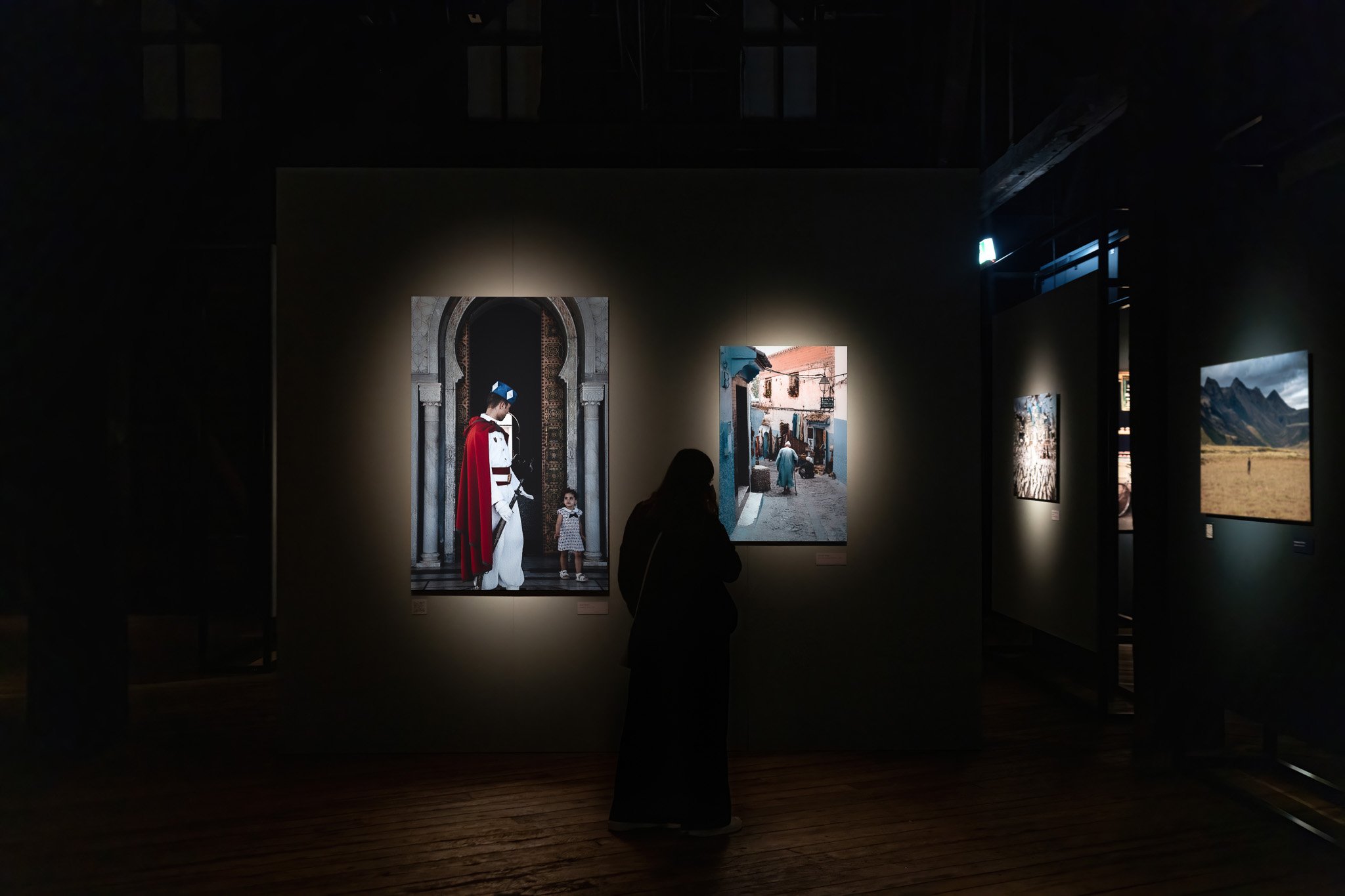
Your brand's visuals play a huge role in shaping its identity, so it's important to thoroughly review portfolios to find a photographer who can create content that connects with your audience.
Check Visual Style Match
Review relevant finished assignments as well as selected highlights. Look for consistent light, colour, composition and retouching across a series. Ask how the photographer would adapt that approach to your audience, locations and delivery formats; there is no single portfolio length that proves suitability.
| Style Element | What to Look For |
|---|---|
| Lighting | Consistent quality and mood that fits your brand |
| Composition | Thoughtful framing and subject placement |
| Color Treatment | Colors that match your brand's overall look |
| Subject Focus | Clear emphasis on key features of the product |
Look for Industry Experience
Photographers with experience in your industry are more likely to understand your specific needs. For example, if you're in the consumer packaged goods (CPG) space, check for portfolios that showcase similar products and styles.
“Ask to see a complete assignment relevant to your project, alongside the photographer’s selected highlights.”
Explore the Latitude Frames photography gallery to review the work and visual approach.
Prioritise photographers who show:
Case studies with successful campaigns for brands like yours
Technical skills to handle your type of product
Familiarity with challenges unique to your industry and how to address them
Examine Photo Quality Standards
Every image should reflect a strong grasp of photography fundamentals and maintain consistent quality across projects. Look for high resolution, skillful lighting, natural post-processing, and attention to detail. These factors are key to ensuring your visuals stand out.
After narrowing down photographers with the right style and experience, the next step is to dig into their professional background to confirm their reliability and expertise.

Verify Professional Background
Review the photographer’s relevant work, references and proposed approach alongside any credentials they claim. These checks help you assess suitability for the assignment.
Check Relevant Experience and Credentials
Ask about relevant assignments, references, any credentials the photographer claims, and insurance requirements for your venue or project. Verify a claimed qualification with the organisation that issues it.
Membership and certification are different. The Australian Photographic Society welcomes enthusiasts, amateurs and professionals; membership alone is not professional certification. PPA describes its separate Certified Professional Photographer credential. Neither membership nor a qualification replaces reviewing the work and the plan for your assignment.
| Evidence to review | What to ask |
|---|---|
| Relevant work | Comparable assignments and references who can discuss the process and delivered photographs. |
| Claimed credentials | Verify any specific qualification with its issuer. Membership alone is not certification. |
| Insurance and preparation | Confirm project or venue requirements, the proposed production plan and practical equipment backups. |
Review Relevant Client Work
Ask for examples of comparable assignments and, where available, references who can discuss the brief, process and delivered photographs. Commercial results also depend on the wider campaign; a photograph or a testimonial alone cannot establish that photography caused a sales increase.
“Evaluate relevant finished work, references and the photographer’s plan for your assignment; a membership badge alone does not establish suitability.”
When speaking with references, ask about their experience with deadlines, budgets, communication, image quality, and post-production timelines. Pay attention to:
Project case studies: Examples of commercial shoots with clear objectives, challenges, and solutions.
Measurable outcomes: Metrics like increased engagement, sales, or brand exposure.
Client testimonials: Honest feedback from clients, especially those in your industry.
After verifying their credentials, you'll be ready to assess how well they communicate and work with your team.

Test Communication Skills
Strong communication plays a key role in the success of any commercial photography project. A photographer's ability to understand and bring your vision to life relies heavily on how well they communicate and respond to your needs.
Assess Communication and Vision Alignment
Agree on a realistic response window and the main contact for the project. During the consultation, look for clear answers and specific questions about your audience, brief, intended image use, schedule and approvals.
Does the photographer explain the proposed approach and practical constraints?
Are responsibilities for locations, styling, access and participants clear?
Is there a process for feedback, revised estimates and changes to the brief?
Are delivery dates and file requirements understood by both sides?
Clarity and follow-through matter more than an arbitrary promise to answer every message within 24 hours.
“Look for specific questions about your audience, intended image use, schedule and approval process.”
Pay close attention to whether they ask specific questions about your brand, target audience, how the images will be used, and any deadlines. These details show they’re truly invested in meeting your goals.
Once you're confident in their communication skills and alignment with your vision, you can move on to reviewing pricing and possibly testing their capabilities with a trial project.

Select Your Photographer
After assessing communication skills and ensuring the project aligns with your goals, it's time to finalize your choice. This step requires a close look at pricing details and testing the photographer's skills before committing long-term.
Compare Pricing Options
Take a detailed look at the photographer's pricing packages:
| Service Component | Key Points to Review |
|---|---|
| Pre-production | Planning meetings, location scouting, creative direction |
| Shooting Time | Hourly/daily rates, overtime fees, assistant charges |
| Post-production | Number of edited images, retouching levels, revision rounds |
| Usage Rights | Licensing terms, exclusivity, geographic limitations |
| Additional Costs | Equipment rentals, travel expenses, studio fees |
Compare estimates against the same brief, including delivery dates, crew, equipment, post-production and agreed image use. Ask about assumptions and exclusions before making a decision.
When a Test Shoot Helps
A small paid test can be useful when the visual approach or production demands are unfamiliar. It is not necessary for every assignment. Agree on its fee, brief, schedule, deliverables and image use before starting, and decide what you need the test to answer.
“If a paid test is useful, agree on its brief, fee, deliverables and image use before it begins.”
If you commission a test, assess the photographs against the agreed brief: light, composition, colour, focus, useful crops, editing and delivery. Discuss what worked and what would change for the full assignment.
Make the Decision Against the Brief
Choose the photographer whose work, approach and estimate fit the assignment you have actually defined. Confirm responsibilities, approvals, deliverables and agreed image use in writing so both sides share the same expectations.
Explore Latitude Frames photography and film services, view the photography gallery, or discuss your brief.
| Factor | Why It Matters |
|---|---|
| Portfolio and Technical Skills | Demonstrates their ability to match your brand’s vision and deliver high-quality work across different scenarios. |
| Industry Experience | Brings knowledge of specific technical needs relevant to your field. |
| Communication Style | Ensures clear collaboration and alignment with your creative goals. |
| Value Proposition | Balances quality with your budget constraints. |